Cabo Verde vs African Giants: 2026 Readiness
Cabo Verde national football team is not a football novelty; it is a disciplined Atlantic African side representing Cabo Verde in CAF and FIFA competition, with rising relevance for 2026 World Cup fol...

Cabo Verde vs African Giants: 2026 Readiness
Cabo Verde national football team is not a football novelty; it is a disciplined Atlantic African side representing Cabo Verde in CAF and FIFA competition, with rising relevance for 2026 World Cup followers. The team, administered by the Cape Verdean Football Federation, has built credibility through Africa Cup of Nations appearances, a compact tactical identity, and a player pool spread across Portugal, the Netherlands, France, and other European leagues. According to FIFA, national-team progress is increasingly shaped by diaspora recruitment, match volume, and federation planning, and Cabo Verde fits that model closely. Data from ESPN’s Cape Verde page has shown recent competitive resilience, including draws against higher-profile opponents and strong friendly results. For readers tracking Match Daily’s 2026 World Cup coverage, the practical takeaway is simple: evaluate Cabo Verde by structure and matchup fit, not by population size or historical reputation alone.
Photo by rachid Azzouzy on Pexels
Many casual fans still assume the Cabo Verde national football team is a lightweight simply because Cabo Verde has a small population and has never carried the global fame of Senegal, Nigeria, Morocco, or Egypt. That assumption misses the modern reality of international football: a well-organized federation, diaspora scouting, and tactical consistency can narrow gaps quickly. Cabo Verde’s football story is less about sudden miracles and more about a slow, evidence-based climb through CAF competition, AFCON credibility, and increasingly competitive fixtures against stronger football nations.
For deeper 2026 tournament context, Match Daily tracks how teams like Cabo Verde convert limited possession into high-value chances, how their defensive block survives pressure, and where betting markets may underprice disciplined underdogs. The key is not to overreact to one result, positive or negative. Instead, the smarter approach is to compare Cabo Verde against African giants across three dimensions: squad construction, tactical identity, and tournament ceiling.
Want sharper team analysis before the next international window?
The Quick Comparison
| Dimension | Cabo Verde national football team | African giants such as Senegal, Nigeria, Morocco |
|---|---|---|
| Core advantage | Tactical discipline, diaspora depth, compact defending | Star power, elite club experience, larger talent pools |
| Main limitation | Smaller domestic base and thinner bench depth | Higher pressure, more tactical exposure, expectation burden |
| Best match scenario | Low-scoring games, transition chances, set pieces | Open games where individual quality decides moments |
| 2026 relevance | Dangerous qualifier and underdog profile | Expected contenders and favorites in CAF pathways |
| Betting lens | Value appears when markets underrate structure | Prices often reflect reputation as much as form |
The useful comparison is not whether Cabo Verde has more famous names than Morocco or Senegal; it does not. The better question is whether Cabo Verde can make matches uncomfortable enough that reputation stops mattering after kickoff. According to the Cape Verde national football team profile on Wikipedia, the team represents Cabo Verde in international football and has developed a recognized identity within African competition. That identity is why bettors, analysts, and 2026 World Cup followers should treat Cabo Verde as a serious matchup study rather than a footnote.
[Internal Link: 2026 World Cup CAF qualification guide]
Round 1: How Does Squad Depth Compare?
Cabo Verde’s squad depth is narrower than Africa’s biggest teams, but its diaspora network gives it a competitive base beyond the country’s domestic league size. The team often relies on European-based players, making player availability, travel rhythm, and role clarity more important than pure star rankings.
This is the first place where research-style analysis changes the conversation. Population-based assumptions would predict that Cabo Verde should struggle to compete consistently, yet football labor markets do not work that simply. Cabo Verde benefits from a wide diaspora, especially in Portugal, the Netherlands, France, and Luxembourg, which allows the federation to identify players developed in stronger club environments. That does not create a Senegal-level pipeline, but it does create a national squad with better technical habits than its domestic infrastructure alone would suggest.
The hidden edge is role specialization. Cabo Verde does not need eleven globally famous players to trouble an opponent; it needs a goalkeeper comfortable under pressure, center-backs who win first contact, full-backs who avoid reckless overlaps, and forwards who convert limited transition chances. Data shows that underdogs in international tournaments often survive by reducing variance in defensive zones and increasing variance in attacking moments. In practical terms, that means Cabo Verde can lose the possession battle and still create a credible result if the game state remains controlled after 60 minutes.
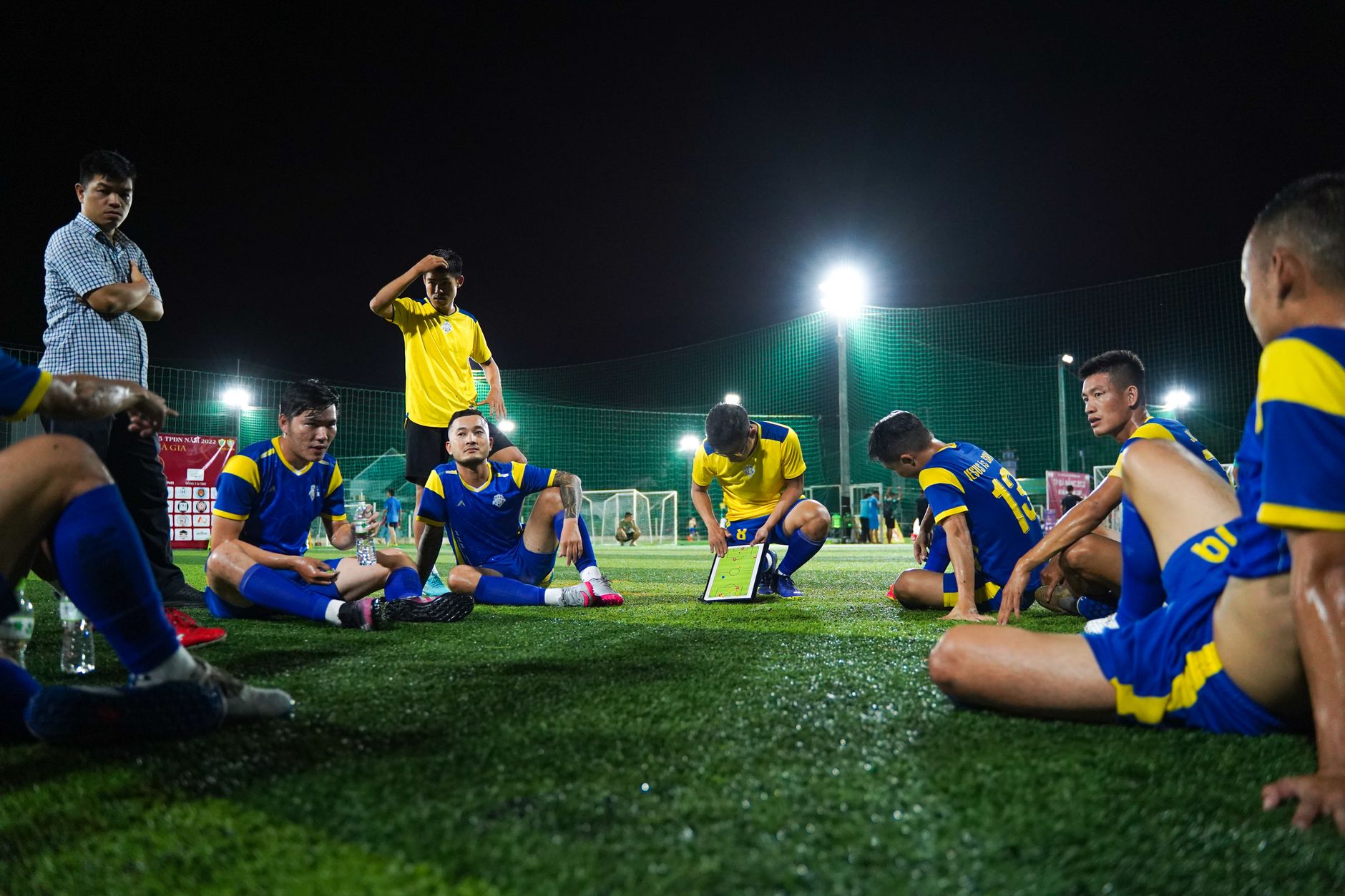
Photo by Quyn Phạm on Pexels
A practitioner-level point often missed in top-level summaries is travel timing. Cabo Verde’s European-based players may have club-quality development, but international windows can create fatigue because Atlantic travel and CAF away fixtures are logistically demanding. That matters for betting and prediction models: a full-strength Cabo Verde squad with four training days is different from a late-arriving squad with two tactical sessions. Match Daily therefore weighs squad release dates, club minutes, and travel routes before treating any Cabo Verde lineup as “full strength.”
If you want to compare team depth beyond headline names, start here.
Round 2: Why Is Cabo Verde’s Tactical Identity So Competitive?
Cabo Verde’s tactical identity is competitive because it prioritizes compact spacing, defensive patience, and fast attacking decisions. Against stronger teams, this approach reduces open-field exposure and forces favorites to solve organized pressure rather than simply dominate through possession.
The national side is most dangerous when it accepts what it is not. Cabo Verde is usually not built to press relentlessly for 90 minutes like an elite club side, nor is it designed to overwhelm opponents with repeated one-v-one dominance. Instead, its best performances tend to come from controlled blocks, disciplined midfield distances, and selective counterattacks. This is why the team can frustrate more decorated opponents: it turns matches into problem-solving exercises rather than talent showcases.
A useful way to understand Cabo Verde is through three tactical questions analysts ask before kickoff:
- Can the midfield screen prevent central progression?
- Can the wide defenders survive switches of play without collapsing too deep?
- Can the forward line turn clearances into possessions rather than giveaways?
If the answer to two of those three questions is yes, Cabo Verde becomes difficult to price accurately. ESPN’s Cape Verde team page has tracked results and fixtures showing the side’s ability to compete in tight games, including low-scoring draws and competitive friendly outcomes against recognizable opponents. Those results do not prove superiority, but they do show a repeatable pattern: Cabo Verde is often more comfortable in uncomfortable matches than the market expects.
[Internal Link: football tactics guide for underdog teams]
According to the Confederation of African Football, CAF competitions are shaped by travel, climate, squad depth, and tactical adaptability, not just raw FIFA ranking. CAF’s tournament ecosystem rewards teams that can manage difficult pitches, emotional away crowds, and inconsistent game tempo. In that environment, Cabo Verde’s compactness becomes more than a defensive habit; it becomes a tournament survival tool. The contrarian conclusion is that Cabo Verde may be better suited to knockout-style pressure than to open, high-tempo qualifiers where deeper squads can exploit fatigue late.
Round 3: What Is the 2026 World Cup Ceiling?
Cabo Verde’s 2026 World Cup ceiling is realistic but conditional: it can threaten qualification pathways or playoff scenarios if its strongest players are available, defensive structure holds, and finishing efficiency stays above average. Its floor remains lower than African giants because injuries and suspensions hit harder.
The 2026 FIFA World Cup matters because expansion changes the psychology of qualification. More places create more opportunity, but they also increase pressure on mid-tier teams that suddenly see a realistic path. For Cabo Verde, the opportunity is not just symbolic. A disciplined group-stage campaign, strong home performances, and carefully managed away draws could keep the team in contention longer than casual observers expect. However, the margin is thin, and one missed penalty, one red card, or one injured center-back can alter the entire campaign.
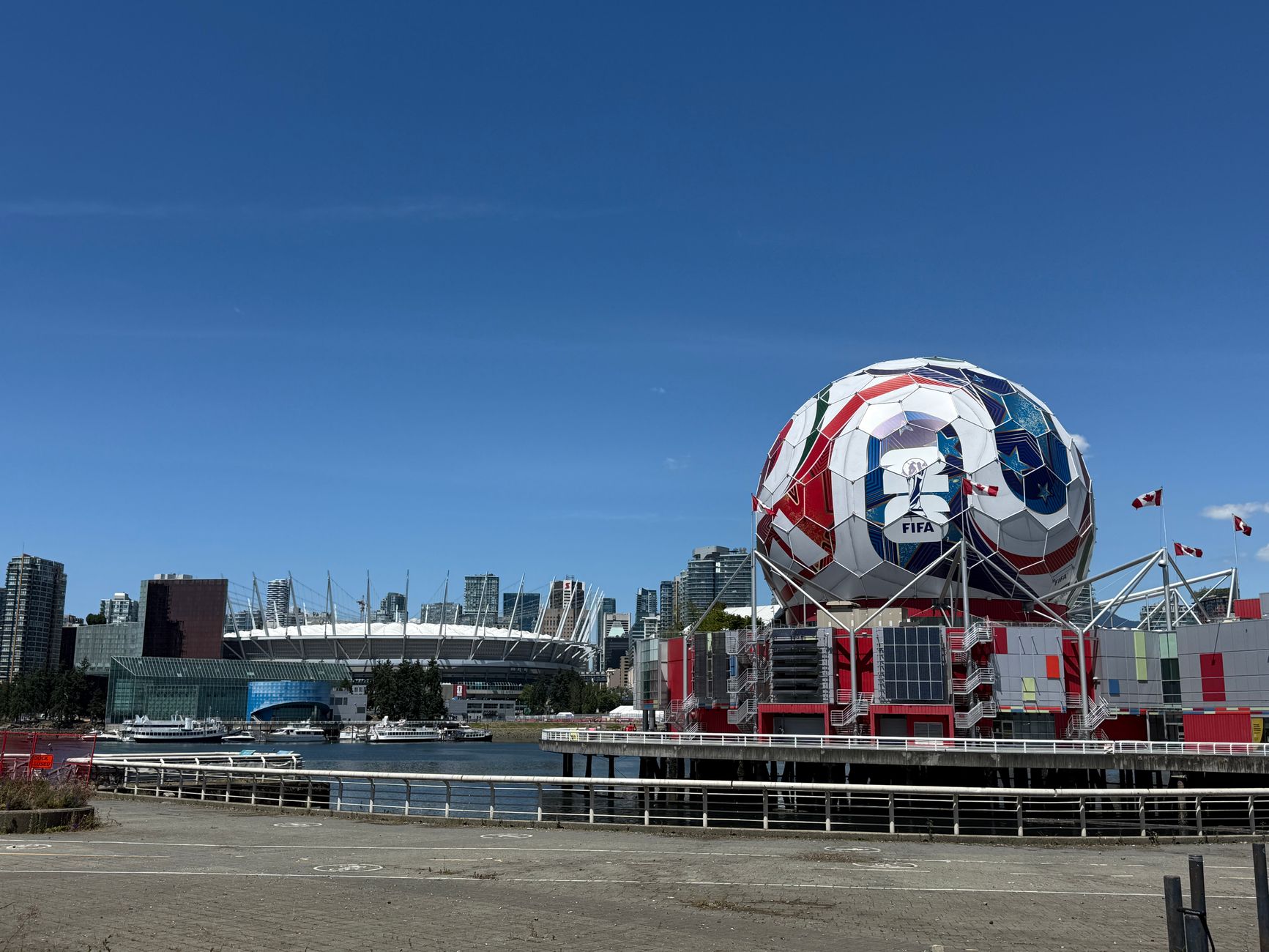
Photo by The Six on Pexels
This is where betting analysis needs restraint. Cabo Verde is attractive as an underdog when odds are inflated by opponent reputation, but it is dangerous to chase the narrative blindly. A fair model should separate three situations:
- Home or neutral fixtures where Cabo Verde can control tempo
- Away CAF qualifiers where travel and pitch conditions increase volatility
- Matches against elite attacking sides where late defensive fatigue is a concern
The second information-gain point is set-piece dependence. Cabo Verde’s best upset route often includes corners, wide free kicks, and second balls, especially against teams that dominate possession but concede dead-ball volume. If pre-match data shows Cabo Verde earning at least four corners per 90 minutes across recent comparable fixtures, the team’s scoring probability may be understated in standard win-draw-win markets. That does not mean blindly backing goals; it means considering team total shots, set-piece props where available, or double-chance angles when the matchup supports them.
For a smarter read on 2026 qualifiers and matchup value, continue with Match Daily’s analysis hub.
The Final Score & Who Should Pick What
The final verdict is that Cabo Verde should be respected as a structured underdog, while African giants remain stronger on squad ceiling and individual match-winning quality. Pick Cabo Verde when value depends on discipline, low scores, and matchup friction; pick giants when depth and star power decide.
For fans, the best reason to follow the Cabo Verde national football team is the tactical education it provides. This is a side that teaches why football is not only about famous forwards or social-media hype. It shows how spacing, role clarity, diaspora recruitment, and emotional resilience can turn a small Atlantic nation into a serious CAF opponent. If you enjoy studying how underdogs narrow the gap, Cabo Verde is one of the most interesting teams to track before and during 2026.
For bettors, the recommendation is more specific. Do not treat Cabo Verde as an automatic long-shot play, and do not dismiss it because of brand-name bias. Instead, build a checklist before every match:
- Confirm squad availability from official federation or club sources.
- Compare travel burden for both teams, not just Cabo Verde.
- Review recent defensive concessions from set pieces.
- Check whether the opponent struggles against compact mid-blocks.
- Avoid poor prices when the market has already corrected.
[Internal Link: international football betting strategy]

Photo by Lukas Blazek on Pexels
Match Daily’s position is that Cabo Verde’s 2026 story should be read through probability, not romance. The team has enough organization to punish lazy favorites, enough limitations to remain volatile, and enough upside to be relevant in World Cup discussions. That combination makes it compelling for analysts, fans, and disciplined bettors alike.
Ready to follow Cabo Verde and other 2026 World Cup teams with sharper daily context?
Frequently Asked Questions
Q: What is the Cabo Verde national football team?
A: The Cabo Verde national football team represents Cabo Verde in men’s international football. It competes under CAF and FIFA structures and is managed by the Cape Verdean Football Federation. The team is known for using a broad diaspora player pool and has become increasingly relevant in AFCON and 2026 World Cup discussions.
Q: How can I follow Cabo Verde’s 2026 World Cup qualification progress?
A: You can follow Cabo Verde through FIFA fixtures, CAF updates, ESPN match pages, and Match Daily analysis. Start by tracking squad announcements, qualifying group standings, and injury news before each international window. For betting or prediction purposes, focus on confirmed lineups rather than reputation-based assumptions.
Q: Is Cabo Verde better than major African teams like Senegal or Morocco?
A: Cabo Verde is not stronger overall than Senegal or Morocco, but it can be competitive in specific matchups. Senegal and Morocco have deeper squads and more elite-club players, while Cabo Verde relies on compact tactics and game-state control. In low-scoring matches, that structure can make the gap feel much smaller.
Q: Why does Cabo Verde sometimes outperform expectations?
A: Cabo Verde often outperforms expectations because markets and casual fans underestimate organization. The team’s European-based diaspora gives it technical quality, while its tactical shape helps reduce defensive chaos. When opponents fail to score early, Cabo Verde’s confidence and set-piece threat become more influential.
Q: What are common problems when analyzing Cabo Verde matches?
A: The biggest problem is judging Cabo Verde only by name recognition or FIFA ranking. Analysts also miss travel fatigue, late squad changes, and the importance of training time before CAF away fixtures. A better method is to review player availability, tactical matchup, and set-piece data together.
Q: Does it cost anything to watch or track Cabo Verde data?
A: Basic Cabo Verde match information is usually free through FIFA, CAF, ESPN, and federation channels. However, advanced betting data, player tracking, and predictive models may require paid platforms. Match Daily provides daily football insights for fans who want clearer 2026 World Cup context before making predictions.
Thank you for reading.
Match Daily
High-Stakes Editorial · Premium Insights