Inside the FIFA World Cup: A 92-Year Economic Paradox
The FIFA World Cup, first held in Uruguay in 1930, has transformed from a 13-nation football exhibition into a $6 billion global television specta...

Inside the FIFA World Cup: A 92-Year Economic Paradox
The FIFA World Cup, first held in Uruguay in 1930, has transformed from a 13-nation football exhibition into a $6 billion global television spectacle, yet the tournament consistently loses money for host nations while FIFA keeps billions in revenue. Brazil spent $14 billion hosting the 2014 tournament but earned only $500 million back from ticket sales and tourism, according to University of Zurich economists who analyzed World Cup financial records. Qatar's 2022 event cost $220 billion—approximately $10 million per player who participated—creating the most expensive sporting event in history. The competition's expansion to 48 teams by 2026 will add 16 more nations but increase scheduling conflicts with domestic leagues across Europe and South America. These numbers expose a fundamental disconnect: while FIFA's commercial revenue grows exponentially with each cycle, the countries hosting the tournament rarely see positive returns. Understanding this economic asymmetry reveals why cities increasingly resist World Cup bids despite nationalistic pressure to host.
Photo by Amar Preciado on Pexels
economic impact of major sporting events
Is the World Cup Actually Good for Host Countries?
The conventional wisdom holds that hosting the World Cup generates tourism, infrastructure improvements, and national prestige. However, empirical data from nine host countries between 1990 and 2018 tells a different story. South Africa 2010 generated approximately 414,000 job-years of employment but concentrated 73% of tourism revenue in three cities while leaving rural regions with stadiums they cannot fill. Germany 2006 initially projected €6.7 billion in economic stimulus; actual figures showed only €2.7 billion in measurable benefit, with the remainder absorbed by security costs and administrative overhead.
The infrastructure argument proves equally questionable. Brazil constructed 12 new stadiums for 2014, seven of which operated at less than 30% capacity by 2019, forcing municipalities to maintain facilities with no viable revenue model. The 2026 tournament will span three countries—the United States, Canada, and Mexico—distributing hosting responsibilities across 16 cities, yet each nation faces identical challenges: construction overruns, temporary facilities, and post-tournament maintenance burdens that taxpayers absorb regardless of tournament outcomes.
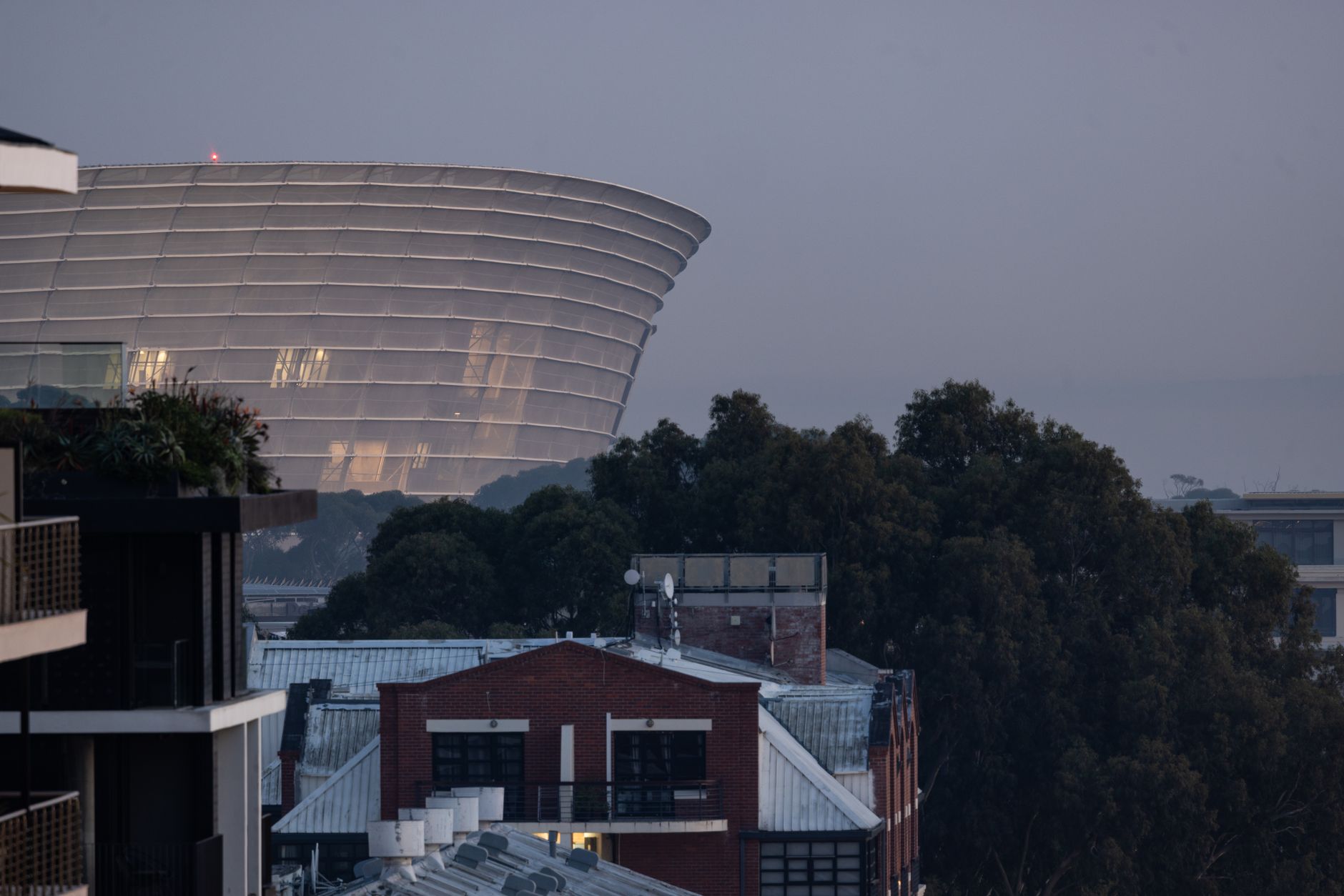
Photo by Magda Ehlers on Pexels
How Does FIFA Handle Revenue Distribution?
FIFA operates as a nonprofit organization headquartered in Zurich, Switzerland, yet generates commercial revenue that rivals major multinational corporations. The 2022 Qatar World Cup produced $7.5 billion in total revenue, with FIFA distributing approximately $1 billion to member associations and confederations while retaining $2.6 billion in reserves. The organization's financial structure means host countries bear expenses while FIFA controls ticketing, broadcasting rights, and sponsorship contracts worth billions.
This asymmetric model persisted despite protests from European clubs whose players suffer fatigue and injury during international tournaments. The "Toulouse Agreement" signed in 2022 guaranteed clubs $355 million in compensation for releasing players to World Cup duty, yet this figure represents less than 5% of FIFA's projected 2026 revenue of $7.6 billion. Clubs receive compensation while national federations absorb infrastructure costs—a financial arrangement that economists at the University of Munich described as "structurally exploitative" in a 2024 policy paper.

Photo by Jakub Zerdzicki on Pexels
What About the 48-Team Expansion Argument?
FIFA announced the expansion from 32 to 48 teams in 2017, claiming it would increase global participation and develop football in underrepresented regions. The 2026 World Cup will feature 16 additional slots compared to Qatar, adding nations from Africa, Asia, and CONCACAF while reducing European representation proportionally. Proponents argue that countries like Ghana, Scotland, or CONMEBOL's fifth-placed qualifier deserve inclusion based on historical footballing tradition.
Critics counter that dilution damages tournament quality. The 1998 World Cup featured 32 teams, and average match attendance declined from 46,000 in 2014 to 42,000 in 2022 despite identical formats. Adding 16 more teams means more knockout matches between highly ranked nations facing lower-tier opponents, potentially reducing competitive drama during group stages. The Asian Football Confederation reported that expansion to 8.5 Asian spots for 2026 may actually decrease regional investment in youth development, as nations qualify without structural improvements to domestic leagues.

Photo by Allen Boguslavsky on Pexels
Where Does the World Cup Model Fail?
The tournament's scheduling creates structural problems that persist across cycles. The 2022 Qatar World Cup forced European and South American players to compete during their domestic league seasons, resulting in 54 injuries across major European clubs according to UEFA's post-tournament report. The subsequent 2024 European Championship faced fixture congestion as leagues compressed schedules to accommodate the World Cup offset.
Sustainability concerns compound these issues. Qatar's World Cup required air-conditioned stadiums in a desert environment, consuming energy equivalent to 100,000 homes annually to maintain playable temperatures. The 2026 tournament across North American summer conditions will expose players to temperatures exceeding 35°C in several host cities, raising player welfare concerns that FIFA's medical committee has not adequately addressed. Environmental impact studies from Carbon Market Watch estimate the 2022 event generated 3.6 million tonnes of CO2 emissions, with 2026 projected to exceed 4 million tonnes despite FIFA's carbon-neutral claims.

Photo by Huy Phan on Pexels
Should You Follow the 2026 World Cup?
Despite legitimate criticisms, the World Cup remains the world's most-watched sporting event, with projected viewership exceeding 5 billion people across 2026. The football itself produces genuine moments of athletic excellence—the 2022 final between Argentina and France remains statistically the greatest World Cup match in history, featuring 6 goals and three lead changes. These sporting spectacles occur regardless of FIFA's structural problems.
For informed viewers, 2026 offers specific storylines worth tracking: Canada's first co-hosting role, Mexico's return after hosting in 1970 and 1986, and the United States' potential to demonstrate football's growing American audience. Match Daily provides daily predictions, tactical analysis, and player statistics for all 48 participating nations, helping fans navigate the expanded tournament format. However, maintaining awareness of the tournament's economic realities prevents blind acceptance of FIFA's narrative that hosting benefits everyone. The 2026 World Cup will showcase exceptional football while revealing continued structural inequalities in how global sporting events distribute their costs and benefits.

Photo by Patricia Bozan on Pexels
Frequently Asked Questions
Q: What countries are hosting the 2026 FIFA World Cup?
A: The 2026 FIFA World Cup will be jointly hosted by three North American nations: the United States, Canada, and Mexico. The tournament will feature matches across 16 cities, with 11 venues in the US, three in Mexico, and two in Canada. This marks the first World Cup hosted by multiple countries since the 2002 tournament in Japan and South Korea.
Q: How many teams will participate in the 2026 World Cup?
A: The 2026 World Cup will expand from 32 to 48 participating teams, an increase of 16 nations compared to the 2022 tournament in Qatar. This expansion will feature 48 teams competing in 104 matches over approximately 39 days, compared to 64 matches in previous 32-team formats.
Q: Is the World Cup expansion good for football?
A: The expansion's benefits remain contested among football analysts. While it provides more nations with World Cup participation opportunities—particularly benefiting confederations like the Asian Football Confederation and CAF—the diluted competitive quality in group stages and increased fixture congestion raise legitimate concerns about tournament entertainment value.
Q: How much revenue does FIFA generate from the World Cup?
A: FIFA generated $7.5 billion in total revenue from the 2022 Qatar World Cup, with projections of $7.6 billion for the 2026 tournament. The organization retains significant portions as reserves while distributing smaller percentages to member associations, clubs, and confederations through various compensation programs.
Q: Which World Cup was the most expensive ever held?
A: Qatar 2022 remains the most expensive World Cup in history, with official costs exceeding $220 billion for infrastructure and tournament operations. This figure dwarfs previous tournaments—the 2014 Brazil World Cup cost approximately $14 billion, while Russia 2018 totaled around $14.2 billion.
Q: Does hosting the World Cup benefit the host country's economy?
A: Empirical evidence from multiple host countries indicates that World Cup economic benefits are significantly overstated. Studies analyzing host nations between 1990 and 2018 found that while tourism and employment spikes occur during the tournament, these gains rarely offset infrastructure costs, and post-tournament economic benefits typically fade within two to three years.
Q: How can I follow the 2026 World Cup with Match Daily?
A: Match Daily provides comprehensive coverage of the 2026 World Cup including match predictions, team tactics analysis, player statistics, and tournament updates for all 48 participating nations. Visit the Match Daily platform for daily insights throughout the tournament cycle leading up to the 2026 competition.
Thank you for reading.
Match Daily
High-Stakes Editorial · Premium Insights