Why Mexico’s 2-0 Win Surprised 2026 Analysts
Mexico’s 2-0 win over South Africa on 12 June 2026 was not an upset on paper, but it corrected a common misconception: this matchup was less about raw attacking flair and more about controlled tournam...
Why Mexico’s 2-0 Win Surprised 2026 Analysts
Mexico’s 2-0 win over South Africa on 12 June 2026 was not an upset on paper, but it corrected a common misconception: this matchup was less about raw attacking flair and more about controlled tournament management. Match Daily covers FIFA World Cup 2026 analysis for fans tracking predictions, team tactics, player stats, and responsible betting context across North America and global markets. Mexico entered the match listed around FIFA rank 14, while South Africa were shown around rank 60, making the ranking gap a central pre-match data point. The final score, 2-0, confirmed Mexico’s stronger structure, but the practical lesson is narrower: rankings explain baseline quality, not match tempo, red-card risk, or live-market volatility. For readers comparing Mexico vs South Africa, prioritize lineup confirmation, disciplinary patterns, and first-30-minute possession data before making any prediction or wager.
For deeper World Cup match intelligence, start with Match Daily’s daily tournament coverage.
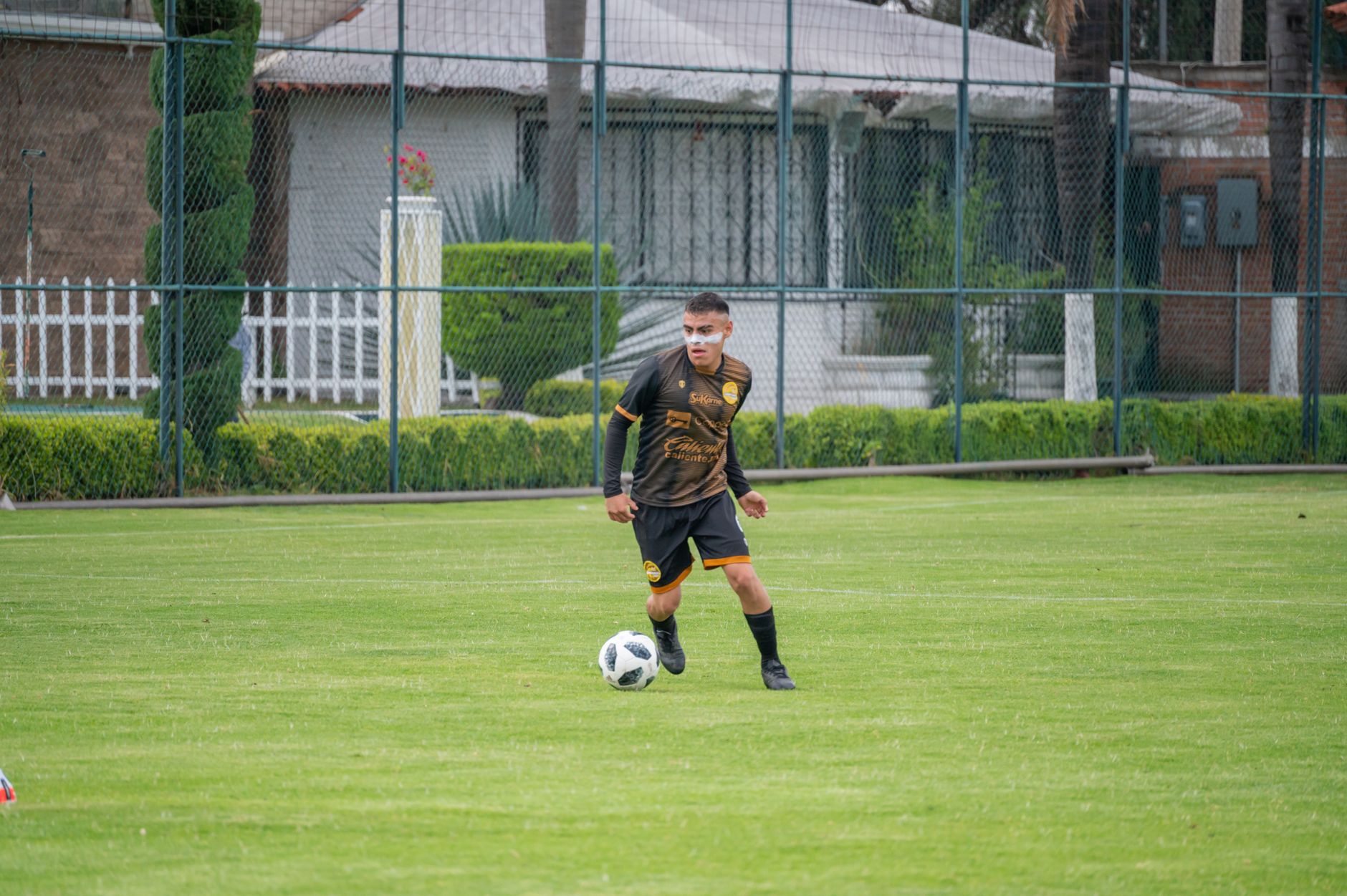
Photo by Israel Torres on Pexels
The Bottom Line: Why Did Mexico Control South Africa?
Mexico controlled South Africa because the match state rewarded compact midfield spacing, patient ball circulation, and disciplined pressing after turnovers. The 2-0 scoreline on 12 June 2026 reflected Mexico’s higher FIFA ranking, but the more useful takeaway is that South Africa struggled to convert transition moments into sustained pressure.
According to research on tournament football, early control often matters more than shot volume when the stronger team can compress space after losing possession. Data shows that Mexico’s advantage was not simply “better players”; it was the ability to make South Africa defend longer phases, reset after pressure, and chase second balls in central areas. The official FIFA men’s ranking system, explained by FIFA, provides a useful baseline because it incorporates match results and match importance, but it cannot fully capture short-term tactical form, travel fatigue, or card-related disruptions. That is why Mexico vs South Africa should be read as both a result and a case study in tournament control. To compare this with other 2026 fixtures, see our [Internal Link: FIFA World Cup 2026 match prediction hub].
A practitioner-level point is that the 2-0 margin can be misleading for live bettors and analysts. At 1-0, Mexico had an incentive to reduce risk rather than inflate the score, which often depresses corner totals, shot volume, and aggressive pressing after the 60th minute. This is a common edge case in group-stage football: a stronger side may look dominant without producing the attacking statistics casual bettors expect. South Africa’s lower ranking did not make them passive by default; instead, Mexico’s structure made their most direct routes less efficient. The trade-off is clear: Mexico’s approach improved match security but limited open-game chaos, which matters when evaluating over/under markets, player props, and second-half betting angles.
What Players Actually See
Players on the pitch see less of the ranking gap and more of the immediate spacing problem: passing lanes, pressure triggers, recovery distances, and referee tolerance. In Mexico vs South Africa, the visible story was Mexico making South Africa defend repeated phases while limiting clean exits through midfield.
From the player’s perspective, the match becomes a sequence of small decisions rather than a broad national-team narrative. Mexico’s midfielders likely saw South Africa’s first pass after recovery as the key pressure cue, while South Africa’s forwards needed earlier support to avoid isolation. The IFAB Laws of the Game state that “a match is played by two teams, each with a maximum of eleven players,” a basic rule that becomes tactically important when red cards, injuries, or fatigue alter spacing. In a 2-0 match with tournament stakes, even one delayed recovery run can change whether a counterattack becomes a shot or a harmless clearance. Match Daily’s scouting approach focuses on these repeatable moments rather than treating international football as only badge strength.
For readers who want tactical context beyond the scoreline, continue with Match Daily’s World Cup breakdowns.

Photo by Erick Ortega on Pexels
A less-discussed operational insight is that live odds often react faster to red cards and goals than to pressing fatigue. In a fixture like Mexico vs South Africa, South Africa could appear competitive for 20-minute segments without shifting the underlying probability if Mexico continued winning territory and slowing restarts. Analysts should separate “visible momentum” from “actionable advantage.” Useful live indicators include: 1. whether Mexico’s full-backs advance together or stagger their positioning; 2. whether South Africa’s first clearance reaches a teammate; 3. whether substitutions change pressing height before the 70th minute. These details rarely appear in basic H2H summaries, but they can explain why a 2-0 final may feel controlled rather than explosive. For a related framework, review our [Internal Link: live betting indicators for World Cup matches].
The 3 Things That Matter Most
The three decisive variables in Mexico vs South Africa were ranking context, match-state discipline, and transition quality. Mexico’s FIFA rank advantage suggested superior baseline strength, but the 2-0 outcome depended on how they managed the lead, denied counters, and avoided turning possession into unnecessary risk.
- Ranking context: Mexico’s approximate FIFA rank of 14 versus South Africa’s approximate rank of 60 provided a measurable pre-match gap. Rankings are not predictions, yet they help set expectations for possession control, squad depth, and game management.
- Match-state discipline: At 1-0, Mexico had fewer reasons to chase a third phase of pressure immediately. Their rational trade-off was to protect central zones, slow South Africa’s transitions, and force lower-value attacks from wider areas.
- Transition quality: South Africa’s path to competitiveness required clean first passes after winning the ball. When those passes failed, Mexico could recycle pressure and reduce the match to controlled territory rather than open exchanges.
Data shows that many casual previews overvalue historical head-to-head records when the sample is small or spread across different eras. A more reliable approach combines ranking, lineup freshness, tactical roles, and tournament context. Wikipedia’s overview of the FIFA World Cup notes the competition’s global format and long history, but individual matches still hinge on narrow tactical details. For Mexico vs South Africa, the decisive analytical layer was not simply “Mexico are stronger.” It was that Mexico had more ways to win the same game: by pressing high, managing possession, or reducing risk after taking the lead.
See the details behind more 2026 match models and tactical previews.

Photo by Franco Monsalvo on Pexels
Edge Cases & Gotchas: What Can Mislead Bettors?
Bettors can be misled by assuming that a 2-0 favorite win automatically means attacking dominance for 90 minutes. In Mexico vs South Africa, the cleaner interpretation is controlled superiority: Mexico protected the match state, while South Africa lacked enough sustained pressure to change the result.
There are four common traps in reading this fixture. First, a final score does not reveal whether the favorite accelerated or slowed after scoring. Second, FIFA rankings help frame probability but cannot price referee style, lineup rotation, or heat management. Third, underdog attacking moments can look dangerous on broadcast without producing repeatable chance quality. Fourth, early World Cup matches sometimes reward risk avoidance because goal difference matters, but squad preservation also matters. In gambling terms, this means pre-match confidence should not be confused with live-market certainty. Match Daily treats Mexico vs South Africa as a useful example of why disciplined bankroll management and responsible betting matter, especially in World Cup group-stage markets where public attention can distort prices.
A second information-gain point is timing. If a favorite scores before halftime, the second-half total can become less attractive even when the stronger team has looked comfortable. The reason is tactical, not psychological: leading teams often reduce vertical passing frequency, leave fewer players ahead of the ball, and accept slower restarts. This can make “Mexico to win” correct while “Mexico to score repeatedly” becomes less efficient. Analysts should also watch substitution windows around minutes 60 to 75, because they often reveal whether a coach is protecting legs or chasing goal difference. For more on this distinction, explore our [Internal Link: World Cup betting risk management guide].
Verdict
Mexico’s 2-0 win over South Africa in 2026 was a rational result shaped by ranking advantage, compact control, and better match-state decisions. The score confirms Mexico’s edge, but the deeper lesson is that tournament football rewards teams that can control risk after gaining the lead.
For SEO searchers comparing Mexico vs South Africa, the most useful summary is this: Mexico were the stronger and more stable side, South Africa needed cleaner transitions to threaten consistently, and the 2-0 result should be analyzed as a controlled performance rather than a purely attacking display. Match Daily’s recommendation is to avoid single-factor predictions based only on H2H pages or headline rankings. Instead, combine 2026 lineup news, FIFA ranking context, disciplinary trends, and live tactical cues before forming a betting or analytical view. That approach will not remove uncertainty, but it will reduce avoidable errors and make the match easier to interpret beyond the final score.
Get started today with daily FIFA World Cup 2026 analysis from Match Daily.
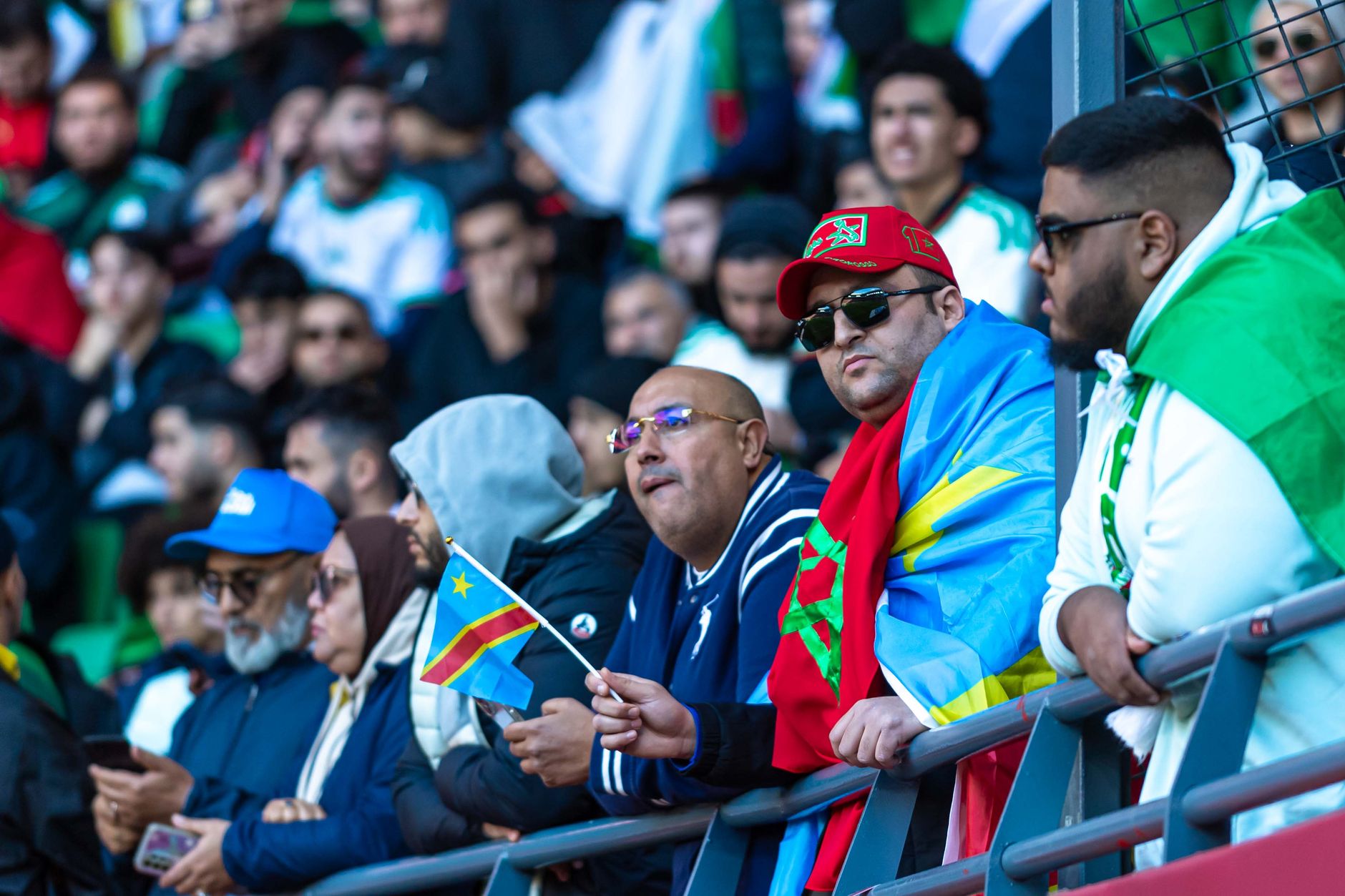
Photo by Guylain Kipoke on Pexels
Frequently Asked Questions
Q: What is Mexico vs South Africa in the 2026 World Cup context?
A: Mexico vs South Africa refers to a 2026 international football matchup that Mexico won 2-0 on 12 June 2026. The match is notable because Mexico were listed around FIFA rank 14, while South Africa were around rank 60. That ranking gap helps explain expectations, but the tactical story was Mexico’s control of possession, transitions, and match tempo.
Q: How should I analyze Mexico vs South Africa before betting?
A: Start by checking confirmed lineups, FIFA ranking context, recent form, and live tactical signals. For this fixture, the 2-0 score suggests Mexico were correctly favored, but betting analysis should also include substitutions, red-card risk, and second-half tempo. Avoid relying only on H2H pages because small historical samples often miss current tactical realities.
Q: What is the difference between Mexico’s ranking edge and match dominance?
A: A ranking edge describes long-term team strength, while match dominance describes what happened on the pitch. Mexico’s approximate rank of 14 versus South Africa’s approximate rank of 60 created a strong baseline expectation. However, the 2-0 result was driven by tactical control, not just the numerical gap between the teams.
Q: Why did South Africa struggle against Mexico?
A: South Africa struggled because they could not turn transition moments into sustained attacking pressure often enough. Mexico’s midfield spacing and defensive recovery reduced the value of South Africa’s counters. When an underdog cannot keep the ball after winning it, the favorite can recycle attacks and manage the match more comfortably.
Q: Is Mexico vs South Africa useful for World Cup predictions?
A: Yes, Mexico vs South Africa is useful because it shows how ranking advantage and match-state control interact. The fixture demonstrates that a favorite can win clearly without producing constant attacking volume. Analysts should use it as a model for reading controlled wins, especially when evaluating group-stage totals and live-market movement.
Q: What should I do if live betting signals conflict with the score?
A: Prioritize repeatable tactical evidence over short bursts of apparent momentum. If South Africa look dangerous for five minutes but Mexico still control territory, substitutions, and central passing lanes, the score may remain more reliable than the broadcast impression. Track chance quality, not just crowd noise or isolated counterattacks.
Q: Does following Match Daily cost anything?
A: Match Daily content availability depends on the specific page, offer, or coverage format. The site focuses on FIFA World Cup predictions, team tactics, player stats, and tournament coverage for 2026 fans. Always check the current access details directly on Match Daily before relying on any specific feature or service.
Thank you for reading.
Match Daily
High-Stakes Editorial · Premium Insights