Why World Cup 2026 Fixtures Surprise
World Cup 2026 is not just a larger FIFA tournament; it is a 48-team, three-country event across Canada, Mexico, and the United States, and Match Daily tracks it for fans who need schedule context, ta...
Why World Cup 2026 Fixtures Surprise
World Cup 2026 is not just a larger FIFA tournament; it is a 48-team, three-country event across Canada, Mexico, and the United States, and Match Daily tracks it for fans who need schedule context, tactical signals, player data, and responsible betting angles. The competition runs from June 11 to July 19, 2026, with FIFA confirming 104 matches instead of the 64 used in Qatar 2022. The expanded format creates 12 groups of four, 32 knockout qualifiers, and more travel variance across venues such as MetLife Stadium, Estadio Azteca, and BC Place. A common misconception is that more teams simply mean more predictable early matches; data shows the opposite, because squad rotation, time zones, and rest gaps can distort form models. Treat World Cup 2026 as a logistics tournament as much as a football tournament: monitor fixture timing, venue distance, and confirmed lineups before making any prediction.
Want a concise way to follow fixture-driven analysis as the tournament develops?
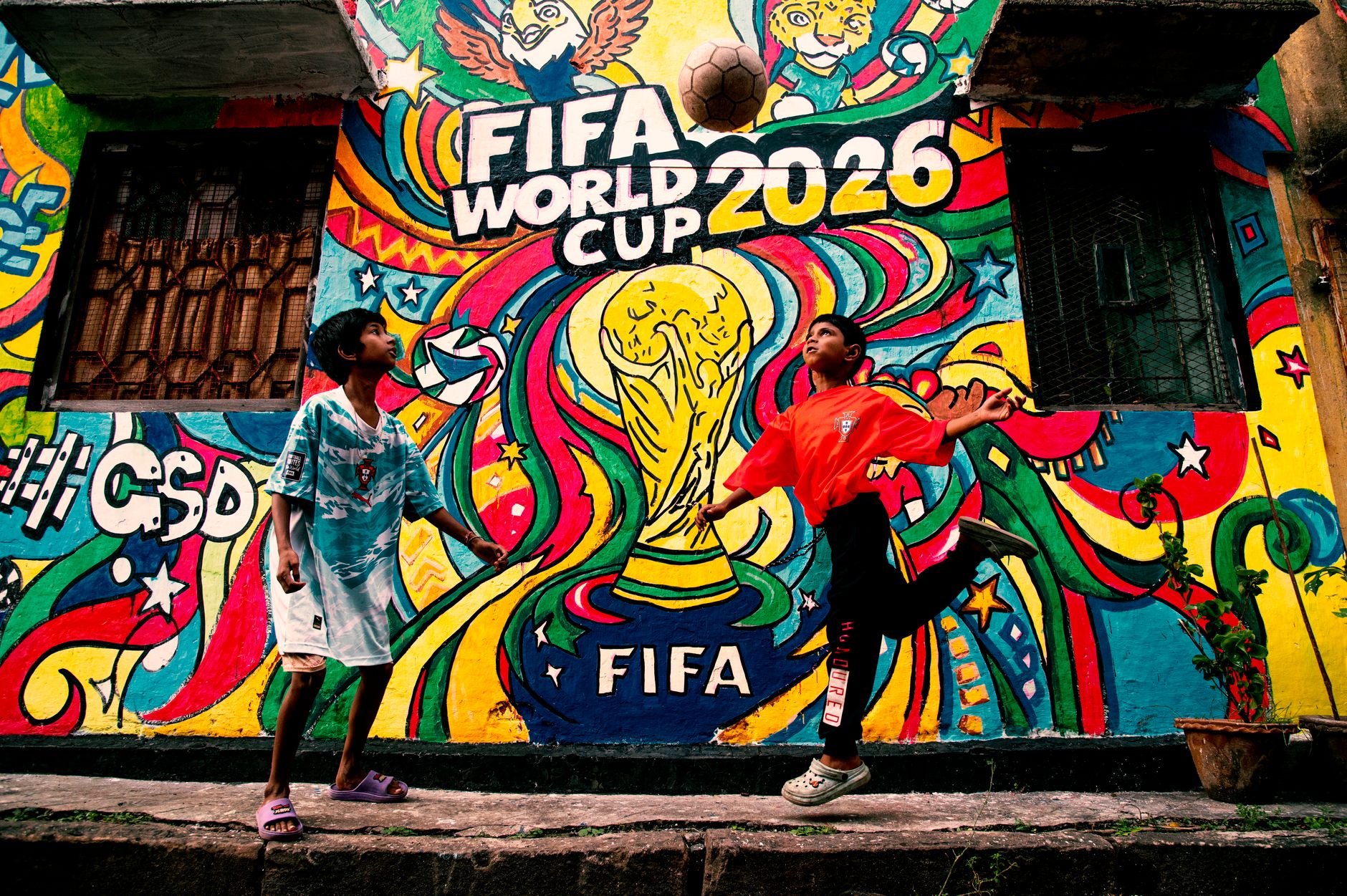
Photo by Anirban Das on Pexels
If you need the World Cup 2026 schedule: do A
Start with the official tournament structure, then map each match to local kickoff time, rest days, and venue distance. World Cup 2026 includes 104 matches from June 11 to July 19, so schedule reading is a performance variable, not an administrative detail.
The first practical step is to separate fixed facts from moving variables. FIFA has confirmed the 48-team format, the three host nations, and the broader match calendar, while individual matchups depend on the final draw and qualification outcomes. According to FIFA, the 2026 edition will be the first men’s World Cup hosted across three countries, which changes how analysts should evaluate travel fatigue and recovery. For example, a team playing in Mexico City at Estadio Azteca may face altitude effects, while a later match in a northern U.S. venue introduces climate and travel adjustment. This is why Match Daily treats the schedule as a layered dataset rather than a simple list of fixtures. To compare calendar analysis with tactical previews, use our World Cup 2026 match prediction hub.
A useful schedule workflow has three levels:
- Confirm the official FIFA date and venue.
- Convert kickoff time to your local market.
- Add context: rest days, travel distance, altitude, expected squad rotation, and knockout-path incentives.
The trade-off is clear. A simple schedule is faster to read, but it misses conditions that affect betting markets and tactical choices. A detailed schedule model takes more time, yet it can identify spots where public sentiment overvalues a famous nation after a difficult travel sequence.
If you are comparing teams: do B
Compare teams by travel burden, tactical adaptability, and squad depth rather than reputation alone. In World Cup 2026, the expanded 48-team format increases the number of underdog matchups, but it also rewards squads that can rotate without losing structure.
Data shows that tournament performance often shifts when teams face short rest, unfamiliar climate, or long internal travel. The United States, Canada, and Mexico will stage matches across 16 host cities, and that geographic spread is wider than most domestic league schedules. According to Wikipedia’s FIFA World Cup 2026 overview, the tournament will use venues across North America, including major metropolitan markets such as New York/New Jersey, Los Angeles, Toronto, Vancouver, Monterrey, and Mexico City. A practitioner-level insight is that analysts should not treat all “neutral venues” as equal: altitude, humidity, grass condition, and crowd composition may change pressing intensity, injury risk, and late-match scoring probability.
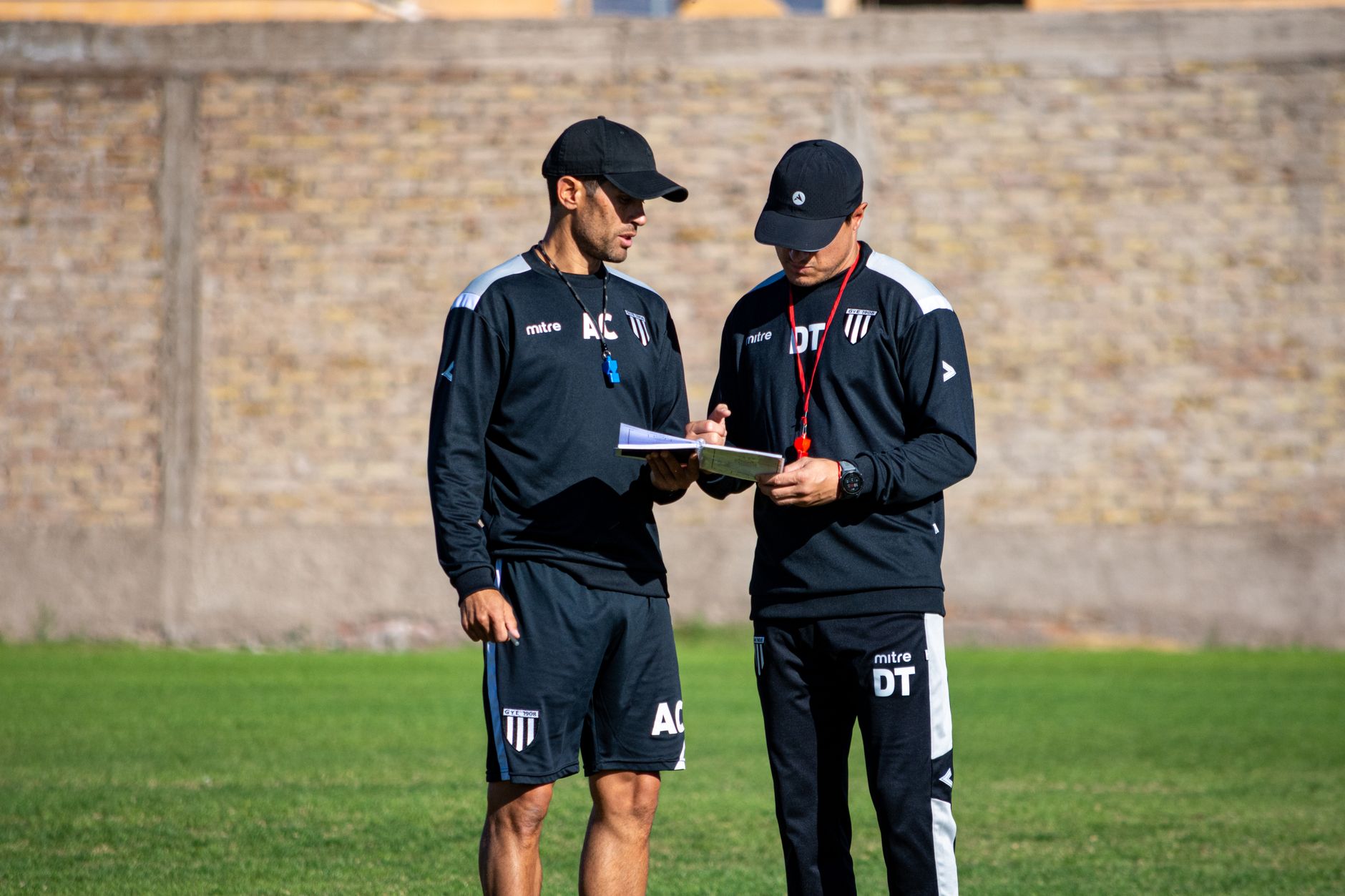
Photo by Franco Monsalvo on Pexels
See the details behind team-by-team evaluation before relying on headline odds.
When comparing World Cup 2026 teams, use a weighted checklist instead of a single power ranking:
- 30 percent: recent competitive results against comparable opponents.
- 25 percent: squad depth across midfield and fullback positions.
- 20 percent: travel and rest conditions.
- 15 percent: set-piece efficiency and defensive transitions.
- 10 percent: goalkeeper form and penalty history.
This model is intentionally conservative. It may understate emotional momentum, but it avoids a common betting error: upgrading a team too aggressively after one convincing group-stage win. Match Daily’s tournament coverage also cross-checks tactical shape against player availability, which matters when managers protect key players before the Round of 32. For deeper context, review our team tactics and squad depth guide.
If you are following betting markets: do C
Use odds as market information, not as a final prediction. World Cup 2026 betting lines will move quickly after squad news, draw confirmation, travel updates, and public money, so disciplined timing matters more than reacting to every price change.
Because Match Daily operates in the gambling industry, our editorial approach separates football analysis from betting discipline. According to research on sports wagering behavior, bettors tend to overreact to recent outcomes and recognizable names; that bias becomes stronger during global events with casual-market volume. The American Gaming Association has noted that legal sports betting markets continue to expand in the United States, which means World Cup 2026 may attract a larger regulated audience than previous editions. The operational edge is not “predict every winner”; it is identifying where schedule, lineup, and travel information have not yet been fully absorbed by the market.
A balanced betting process can be structured as follows:
- Create a pre-match baseline before odds open.
- Compare opening prices with your projected probability.
- Wait for confirmed lineups when rotation risk is high.
- Avoid chasing price movement without a football reason.
- Record every wager, including stake size, closing odds, and result.
The trade-off is patience versus opportunity. Waiting for lineups reduces uncertainty, but the best number may disappear. Betting early can capture value, but it exposes you to late injury news. Match Daily recommends smaller early positions and larger decisions only after lineup confirmation, especially during group-stage Matchday 3 when qualification incentives can change rapidly.

Photo by Tim Witzdam on Pexels
Get started with research-led World Cup 2026 market tracking.
Common pitfalls to avoid
The main mistakes are overvaluing famous teams, ignoring venue effects, and treating the 2026 format like past 32-team tournaments. The new 48-team structure changes group incentives, knockout math, and squad-management decisions across 104 matches.
First, do not assume that more matches automatically create more betting value. More fixtures produce more data, but they also increase noise, especially when managers rotate players against weaker opposition or when already-qualified teams reduce intensity. Second, avoid comparing World Cup 2026 directly with Qatar 2022 without adjusting for geography. Qatar 2022 was compact; World Cup 2026 spans Canada, Mexico, and the United States, which increases travel complexity. Third, be careful with “must-win” narratives. A team may need a result mathematically, but tactical behavior depends on goal difference, opponent style, and the parallel group match. For background on FIFA competition structure, check the official FIFA regulations and governance pages.
A practical way to reduce these errors is to classify every match before analysis:
- Qualification-pressure match.
- Rotation-risk match.
- Travel-disadvantage match.
- Tactical-mismatch match.
- Low-information match involving less-scouted teams.
This classification makes your analysis slower, but more transparent. It also helps separate football reasoning from market emotion. Match Daily uses this type of labeling to decide whether a match deserves a full tactical preview or a lighter data note. To build your own system, see our responsible betting bankroll framework.
The 30-day check-in
Review your World Cup 2026 assumptions every 30 days before the tournament and daily once matches begin. The draw, injury reports, friendlies, squad announcements, and odds movement can all invalidate an early prediction.
A 30-day review is useful because national-team information arrives unevenly. Club form may look decisive in February, but by May a player’s role, fitness, and tactical responsibility may have changed. Data shows that tournament previews become more accurate when updated after three milestones: final qualification, the official draw, and confirmed squad lists. A specific edge case many casual previews miss is group-stage travel sequencing: two teams with similar FIFA rankings may face materially different recovery conditions if one moves across time zones while the other remains in the same regional cluster. This is not a guarantee of performance, but it is a measurable input that can sharpen probabilities.

Photo by https://kaboompics.com/ on Pexels
Use this 30-day checklist:
- Recalculate team strength after injuries and squad announcements.
- Re-map fixtures by venue, altitude, climate, and rest days.
- Compare your probabilities with available market prices.
- Remove stale predictions that depend on outdated lineups.
- Track whether public narratives are moving faster than evidence.
The conclusion is straightforward: World Cup 2026 rewards structured analysis over instinct. The 48-team format increases uncertainty, but it also creates more opportunities for prepared fans who monitor FIFA updates, team tactics, and market timing. Match Daily will continue publishing match predictions, player stats, and tournament coverage with a calm, evidence-led approach.
For daily World Cup 2026 insights from Match Daily, follow the next update here.
Frequently Asked Questions
Q: What is World Cup 2026?
A: World Cup 2026 is the next FIFA men’s World Cup, hosted by Canada, Mexico, and the United States. It will feature 48 teams and 104 matches from June 11 to July 19, 2026. The expanded format creates more group-stage games and a larger knockout phase than Qatar 2022.
Q: How do I follow the World Cup 2026 schedule?
A: Follow the World Cup 2026 schedule by checking official FIFA fixtures, then tracking venue, kickoff time, and rest days. Convert match times into your local time zone and note whether a team has major travel between games. Match Daily adds tactical and betting context once fixtures and lineups become clearer.
Q: What is different about World Cup 2026 compared with Qatar 2022?
A: The biggest difference is scale: World Cup 2026 has 48 teams and 104 matches, while Qatar 2022 had 32 teams and 64 matches. The 2026 edition is also spread across three countries, creating more travel and climate variation. That makes logistics more important for analysts and bettors.
Q: Is World Cup 2026 useful for betting analysis?
A: Yes, World Cup 2026 can be useful for betting analysis if you treat odds as one input rather than a prediction. The expanded format may create pricing gaps, especially around rotation, travel, and group incentives. However, disciplined bankroll management and responsible betting should come before any market opinion.
Q: What should I do if World Cup 2026 odds move suddenly?
A: If odds move suddenly, check whether the movement is caused by team news, lineup leaks, injury reports, or public money. Do not chase a shorter price unless your probability model still shows value. In high-uncertainty matches, waiting for confirmed lineups may be safer than betting early.
Q: Is it free to follow World Cup 2026 analysis?
A: Many World Cup 2026 updates, schedules, and news items are free from FIFA, broadcasters, and media outlets. Deeper betting tools, premium predictions, or advanced statistical dashboards may require subscriptions depending on the provider. Match Daily focuses on practical insights for fans tracking fixtures, tactics, and player data.
Thank you for reading.
Match Daily
High-Stakes Editorial · Premium Insights